
Water Filtration Systems in Windermere, FL
A test-first guide to choosing water filtration for Windermere properties, with the correct local utility or private-well context.
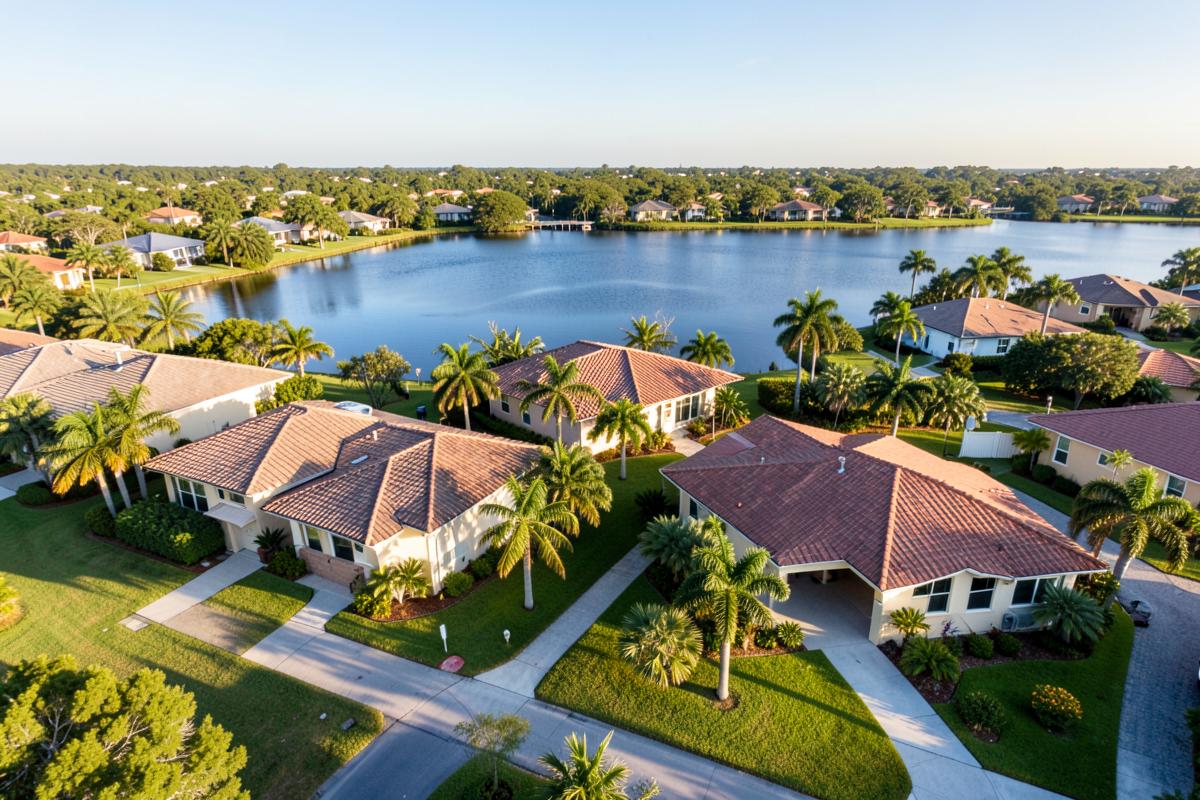
Many Windermere-area properties are served by Orange County Utilities, while some may have private wells or another system. Use the account's named provider and regional report instead of assuming a town-wide source.
Start with the water at your property
A useful answer to “Water Filtration Systems in Windermere, FL” begins with the source and the concern you want to solve. Central Florida properties may receive municipal water from different utility systems or use a private well. The water can also change after it enters a building because of plumbing, a water heater, periods of low use, or equipment that needs service. That is why a neighbor's solution is useful context, but not a substitute for testing your own water.
What can influence the problem
- The name in a mailing address does not always identify the water utility; provider boundaries can cross community lines.
- Floridan aquifer minerals commonly influence hardness, while each utility applies its own treatment and distribution practices.
- Private wells outside utility service have property-specific construction, testing and treatment responsibilities.
- Home age, service lines, plumbing, water heaters and existing equipment explain many differences within one neighborhood.
Why two nearby properties can have different results
Utility reports describe water in a distribution system; they do not describe every faucet. Service-line materials, household plumbing, water-heater condition, irrigation cross-connections, vacant periods and existing filters can change what a resident notices. On private wells, depth, construction, surrounding land use and seasonal conditions add more variables. A good treatment plan separates a source-water issue from a building-specific issue before equipment is selected.
What to test before choosing treatment
Confirm the provider from the water bill or verify a private well. Download the current report for the exact public system, then test at the property for hardness and the specific taste, odor, staining or drinking-water concern. Private wells need certified laboratory bacteria and nitrate testing plus locally appropriate parameters. Do not infer one address's result from a city average.
Appearance, taste and odor can guide an investigation, but they cannot confirm whether water meets a health standard. Use a certified laboratory when a health-related contaminant is suspected, and consult the current utility water-quality report when you receive municipal water.
Treatment approaches to discuss
- Carbon filtration may address certain municipal taste and odor goals when selected for the utility's disinfectant and household flow.
- Ion-exchange softening addresses measured hardness and scale throughout the home.
- Well-water iron, sulfur, sediment or microbiological concerns require a test-specific treatment train rather than a city-water package.
- Point-of-use reverse osmosis can serve drinking and cooking goals while whole-house stages address plumbing and fixture concerns.
How to compare systems and proposals
Ask a local provider to identify the water source, show the measurements driving the recommendation and size equipment from peak demand. Compare applicable certifications, maintenance access, hurricane-season power or drainage needs, warranty and post-install verification. Avoid proposals that rely only on the city name or one dramatic demonstration.
Ask each provider to connect the proposed equipment to a measured result or clearly defined goal. Compare rated service flow, pressure loss, media or membrane specifications, drainage and electrical needs, warranty terms, maintenance frequency and the cost of replacement parts. A proposal should also explain what the system is not designed to remove. That makes it easier to compare value instead of comparing tank size or marketing labels alone.
Central Florida considerations
Greater Orlando is not one water system. City utilities, county regional systems, Toho Water Authority, other providers and private wells operate across the service area. The most useful local plan combines the current official report for the correct system with observations and testing at the property.
Installation and maintenance questions
- Will the system maintain enough flow for peak household or business demand?
- Where will backwash, concentrate or other discharge go, and is the location protected from weather?
- Which filters, media, lamps, salt or sanitation steps are required, and who records the service dates?
- How will performance be checked after installation rather than assumed?
How to verify the system is doing its job
Verification should be planned before installation. For an aesthetic goal, record the original hardness, iron, turbidity, odor conditions or other relevant measurement and repeat it at a consistent sampling point after the system has been placed in service. For a health-related contaminant, use the sampling method and qualified laboratory appropriate to that substance; a salesperson's field demonstration is not a substitute. Keep the original report, equipment model and settings, commissioning result and service record together so future changes can be interpreted instead of guessed at.
Performance also changes over time. A sediment filter can load faster after utility work or heavy well use. Carbon and specialty media have finite capacity even when the water still looks clear. A membrane can lose production or rejection, and a softener can use more salt if a valve or setting is wrong. Establish a baseline for pressure, flow and treated-water quality, then investigate a meaningful change. Replacing parts solely by appearance can be too late for some targets and unnecessarily early for others.
When professional help is useful
Professional evaluation is most useful when the concern affects the entire property, involves several treatment stages, creates recurring equipment problems, or requires flow and pressure calculations. It is also appropriate when laboratory results identify a substance with a drinking-water standard or when a private well has changed after flooding, construction or repair. A qualified provider should explain the limits of an onsite screening test, identify when certified laboratory work is needed, and distinguish treatment advice from medical or regulatory guidance.
Before the visit, gather the utility name or well information, recent reports, a list of occupied fixtures and appliances, photos, service history and the times when the problem is strongest. For a business, include operating hours, production peaks and downtime constraints. Better input produces a more specific recommendation and helps the provider avoid solving the wrong problem. If the water changes suddenly or may be unsafe, contact the utility or local health authority first and follow its use or boil-water instructions.
A practical next step
Write down when and where the concern appears, whether it affects hot water, cold water or every fixture, and whether the property uses city water or a private well. Bring that information, the latest utility report or laboratory results, and photos of any staining or scale to a water-treatment consultation. The goal is not the largest system; it is a maintainable treatment train matched to the water and the way the property uses it.
Frequently Asked Questions
Related pages on our site
Not sure which water treatment system you need?
Schedule a water test with iContracting Water and find the right next step for your property.